Millwright & Grain Elevator Services
We’ve been on more grain bins, fertilizer plants, and steel erection sites than we can count. That kind of time in the field means we know what to watch for and how to let safety guide every decision we make.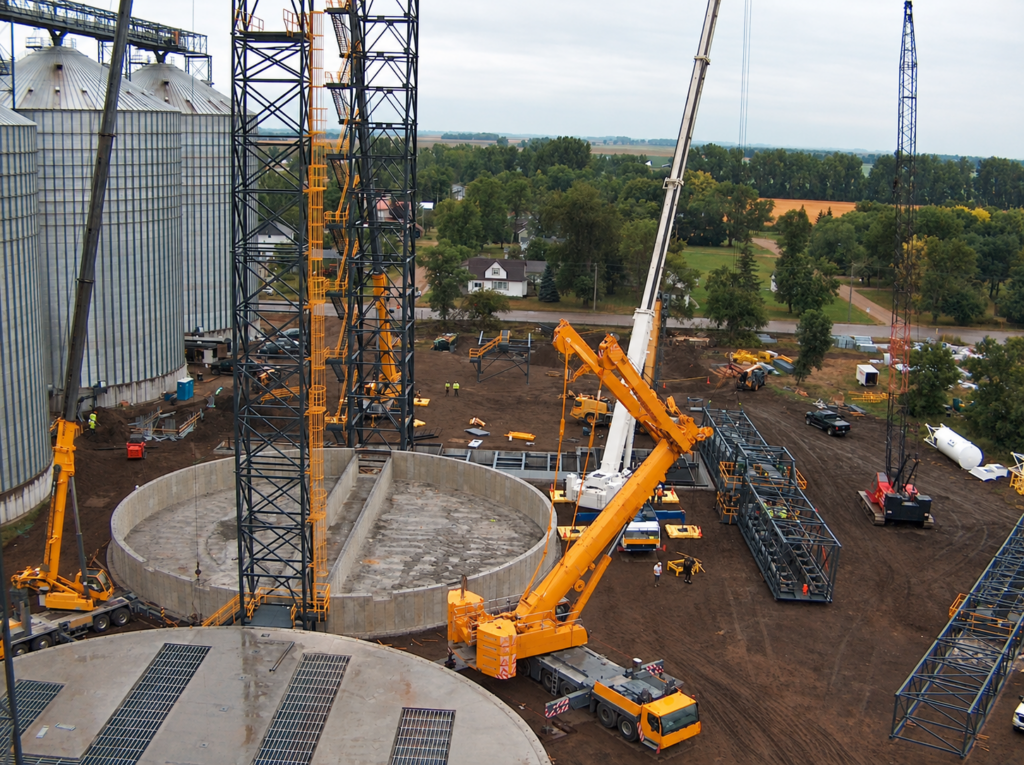
Your Operation Shouldn’t Wait on Your Equipment
Your facility is only as strong as what holds it up and moves through it. We construct based on your operational needs, whether that’s new construction, an addition, or a complete renovation.
Our Areas of Focus:
- Grain Handling
- Agronomy
- Pre-Cast Concrete
- Steel Erection
Construction Process
Once the design and preliminary work are complete and your project is approved, it’s time to move from paper to life-size. We’ve built our construction process around keeping things moving and making your life easier.
Project Kickoff
We arrive on site and get everything ready to go. From site preparation to safety measures, we make sure all the pieces are in place before work begins. Once we’re confident the site is ready, it’s time to break ground.
On-Going Communication
Your project manager keeps you up to date on progress with biweekly conference calls, bringing your team, our crew, and any other vendors together. You can be confident knowing where the project stands every step of the way.
Training & Handoff
Before we leave the site, your team learns the startup and maintenance shutdown procedures firsthand. You’ll also receive the manuals for everything installed and the as-built drawing, so you’re never stuck without an answer.

Continued Maintenance
We don’t build it and disappear. Sign up for our biannual maintenance program, and we’ll keep checking in on your facility long after the crew has left the site. We’re in this with you well past the final walkthrough.
Why Design-Build
Your time shouldn’t be spent managing multiple vendors for one project. With our design-build process, we bridge this gap. One team handles everything from design through construction.
No tug-of-war stealing your attention, leading to better communication, faster timelines, and more time back in your day.
Our Projects
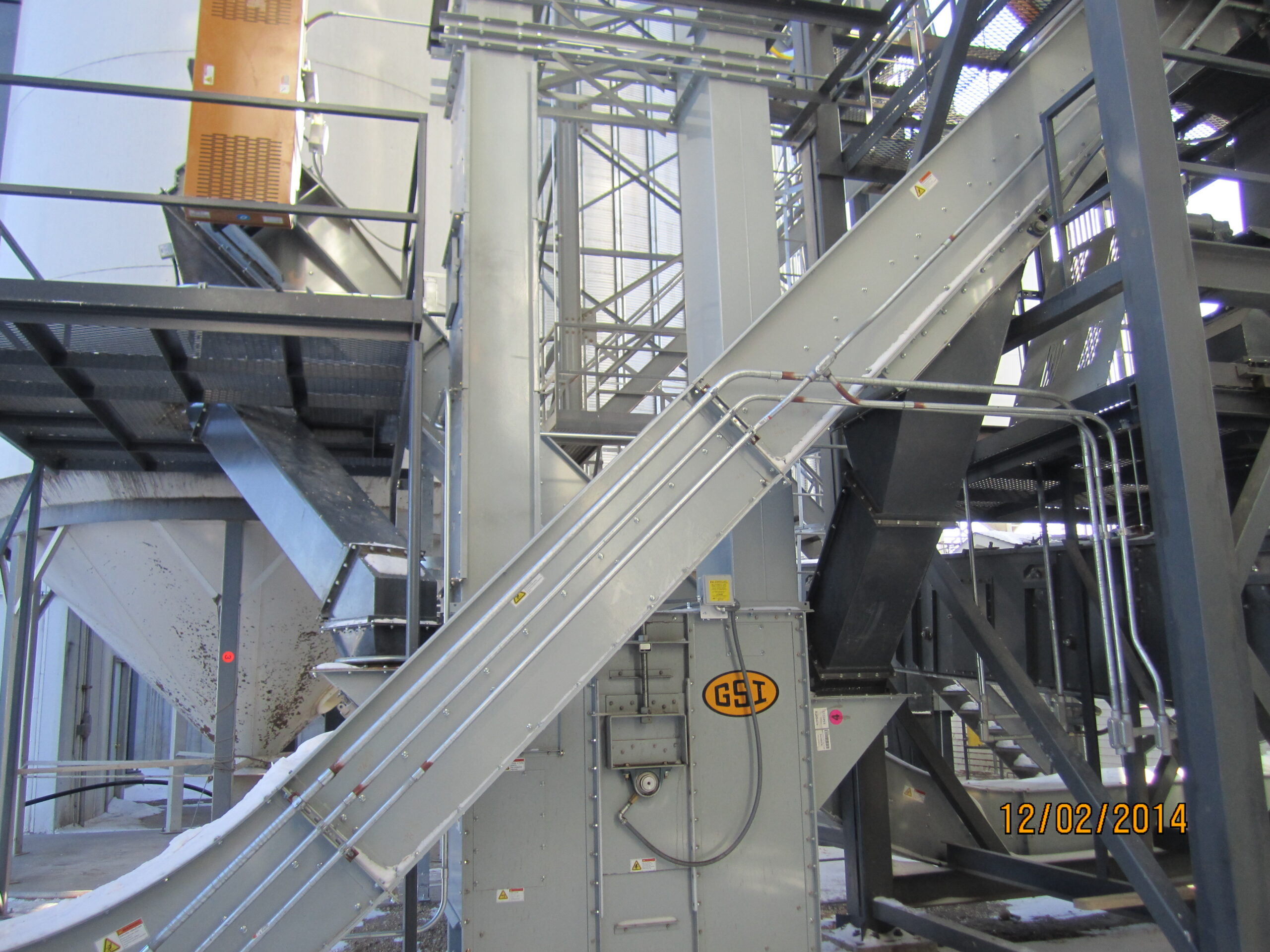
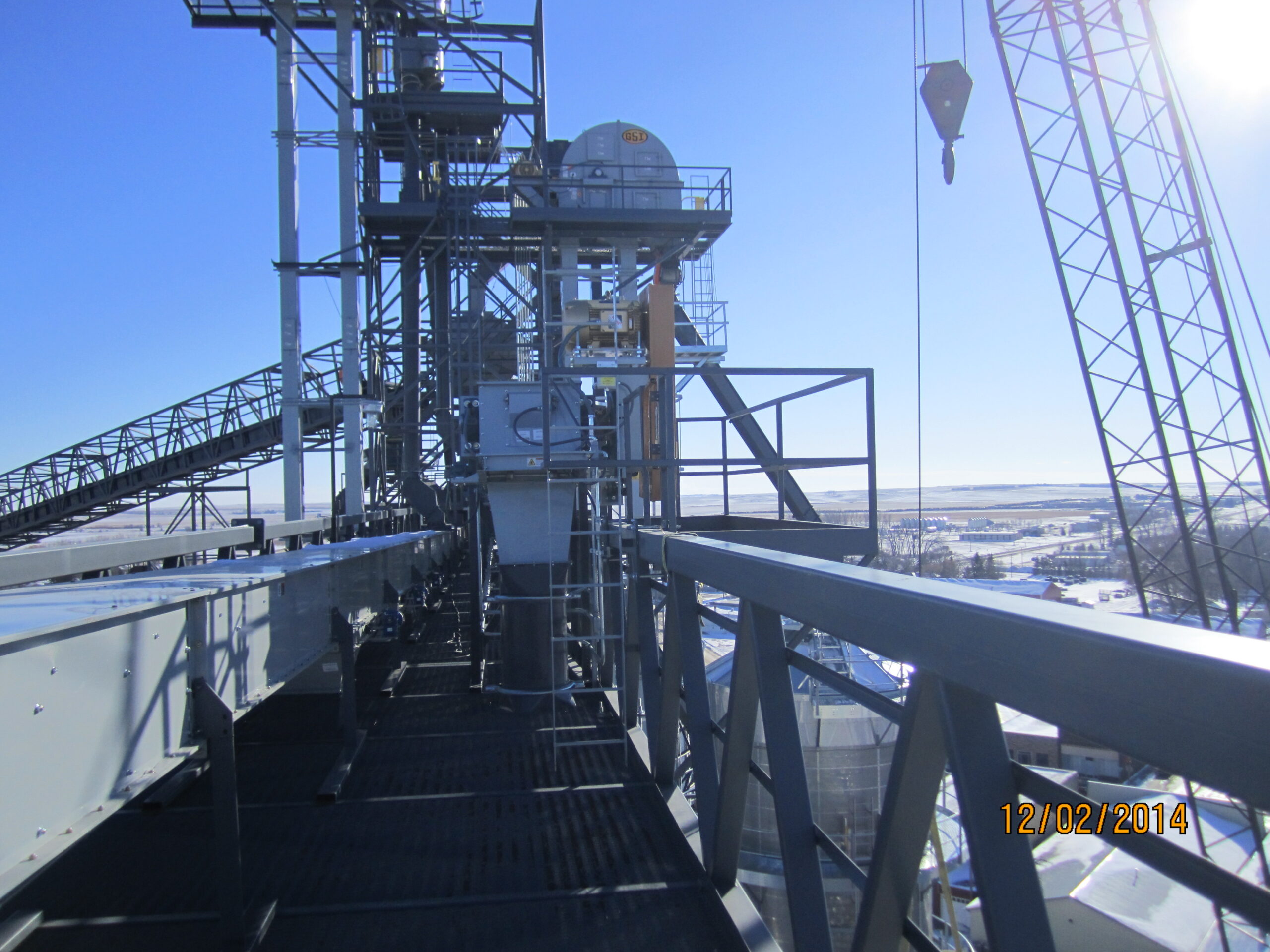
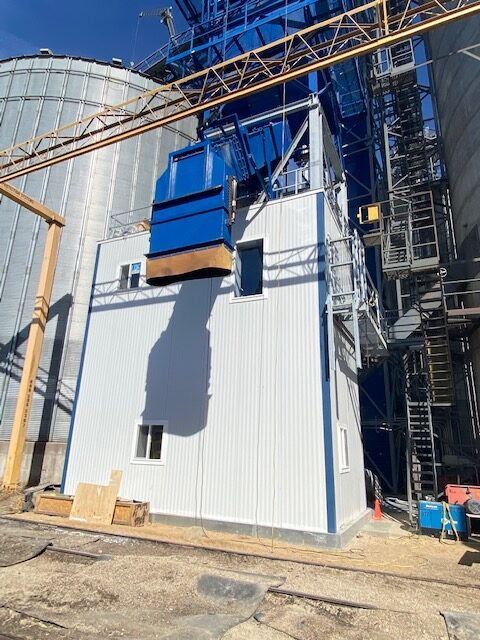
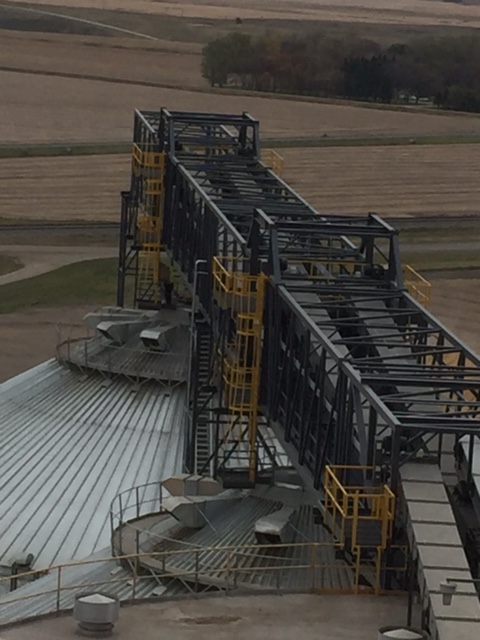
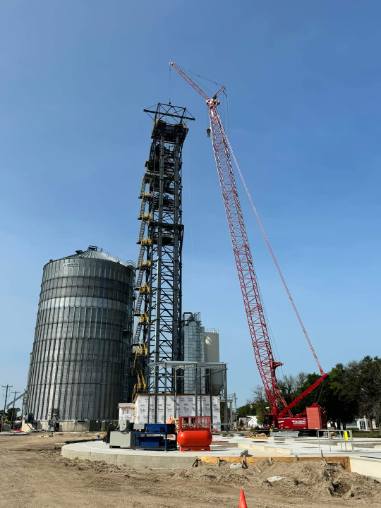
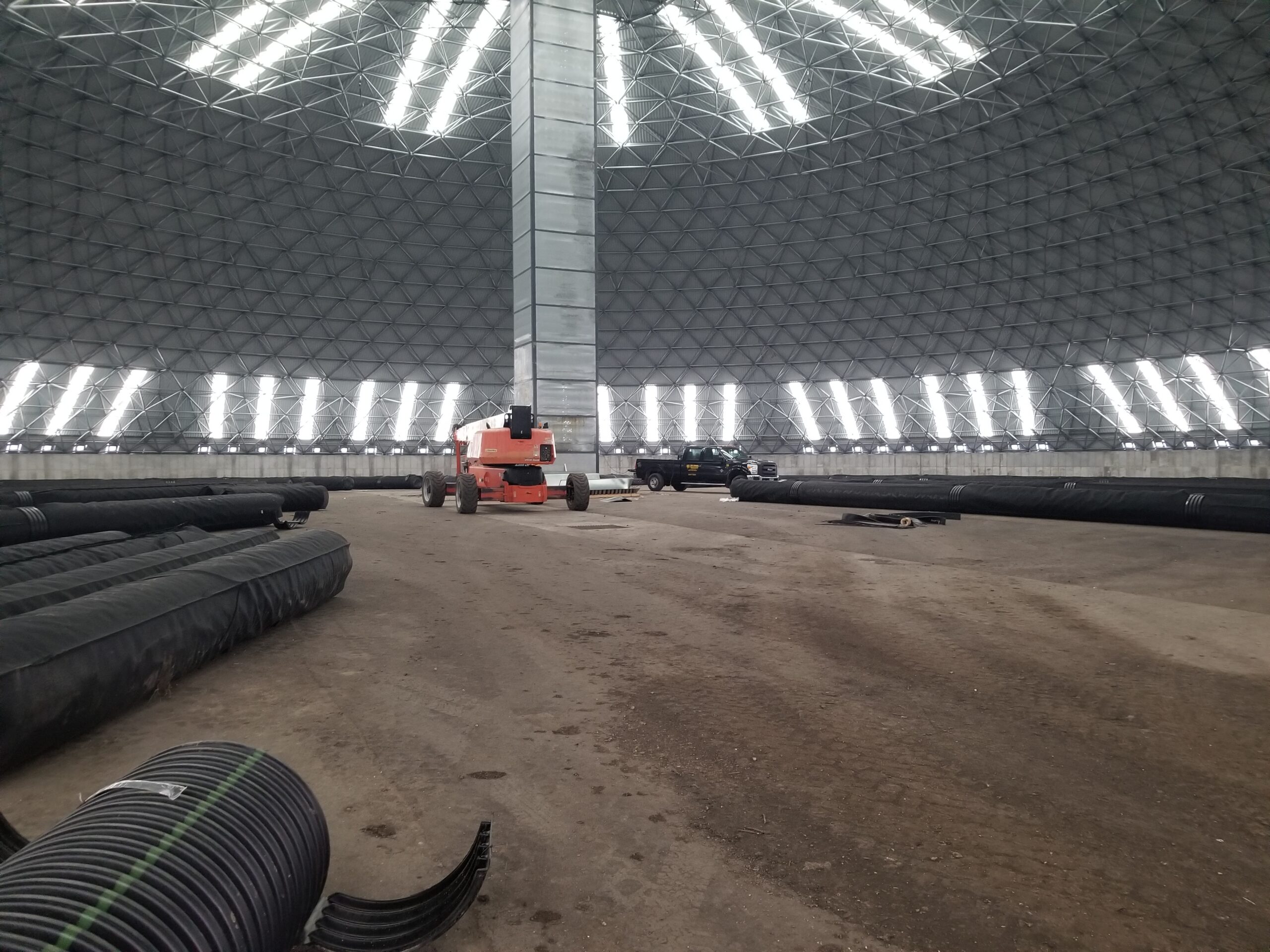
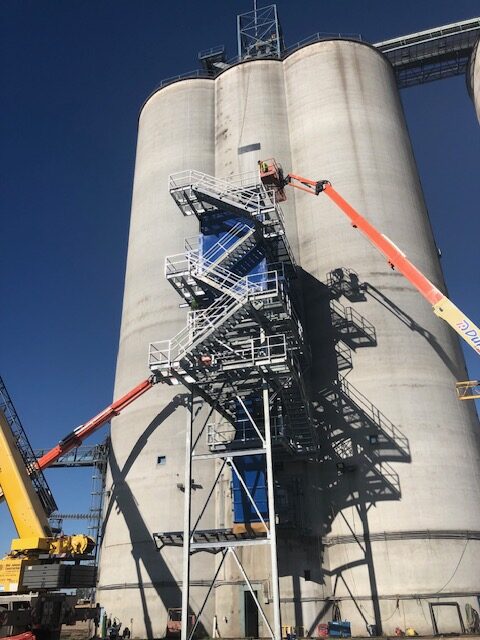
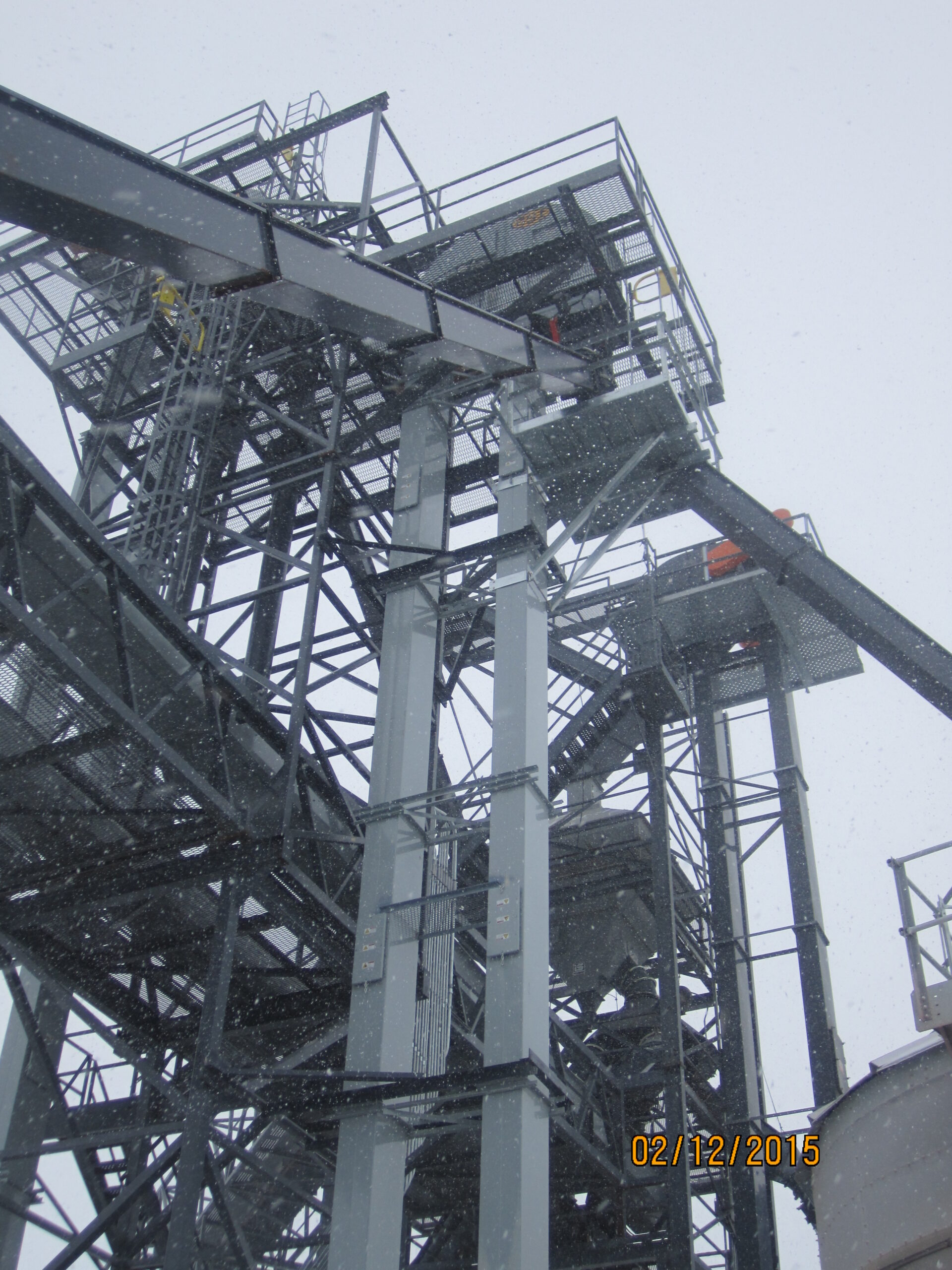
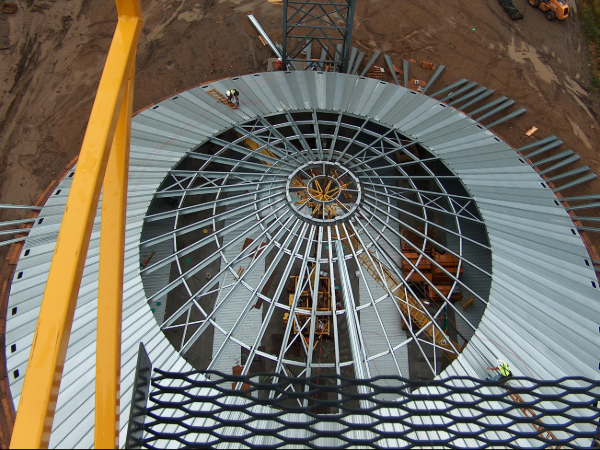
See the work behind the equipment and facilities that keep operations moving.
FAQs
Got questions? Decades of experience gives us most of the answers.
How do I know when my grain handling equipment needs to be replaced?
Frequent jams, worn bearings, corrosion, metal fatigue, and outdated control panels can all be signs that equipment needs to be replaced. For grain bins, look for cracks, dents, warping, foundation issues, settling, or moisture buildup. If you’re seeing these warning signs, our team can help determine whether repair, replacement, or an upgrade is the best solution.
Can you add new grain storage without replacing our existing equipment?
Adding a new grain bin doesn’t have to mean starting from scratch. We can integrate new storage with your existing system by tying the bin into conveyors and catwalks.
What can we add to our facility to keep up with demand?
Every operation is different, so the first step is identifying where your system is slowing down. Depending on your facility, solutions may include additional receiving pits, storage bins, larger legs or conveyors, expanded rail infrastructure, or higher-capacity dryers and wet holding tanks. We’ll evaluate your operation and help determine which improvements make the most sense for your needs and your budget.
How can we reduce downtime when upgrading or repairing a grain elevator?
Our design-build approach keeps your project with one team from design through construction, reducing handoffs and the potential for communication errors that can lead to costly delays or extended downtime. We plan carefully to keep the work as efficient as possible and, when timing allows, schedule projects during the slower season to minimize shutdown time.
How often should grain handling equipment be inspected and maintained?
At least twice a year. Our maintenance program includes biannual inspections to help identify wear, damage, and potential safety concerns before they become bigger problems. We also recommend checking equipment before harvest to prevent slowdowns and after harvest for any wear and tear. And if you hear a strange noise or notice something isn’t running normally, don’t wait, have it checked out.